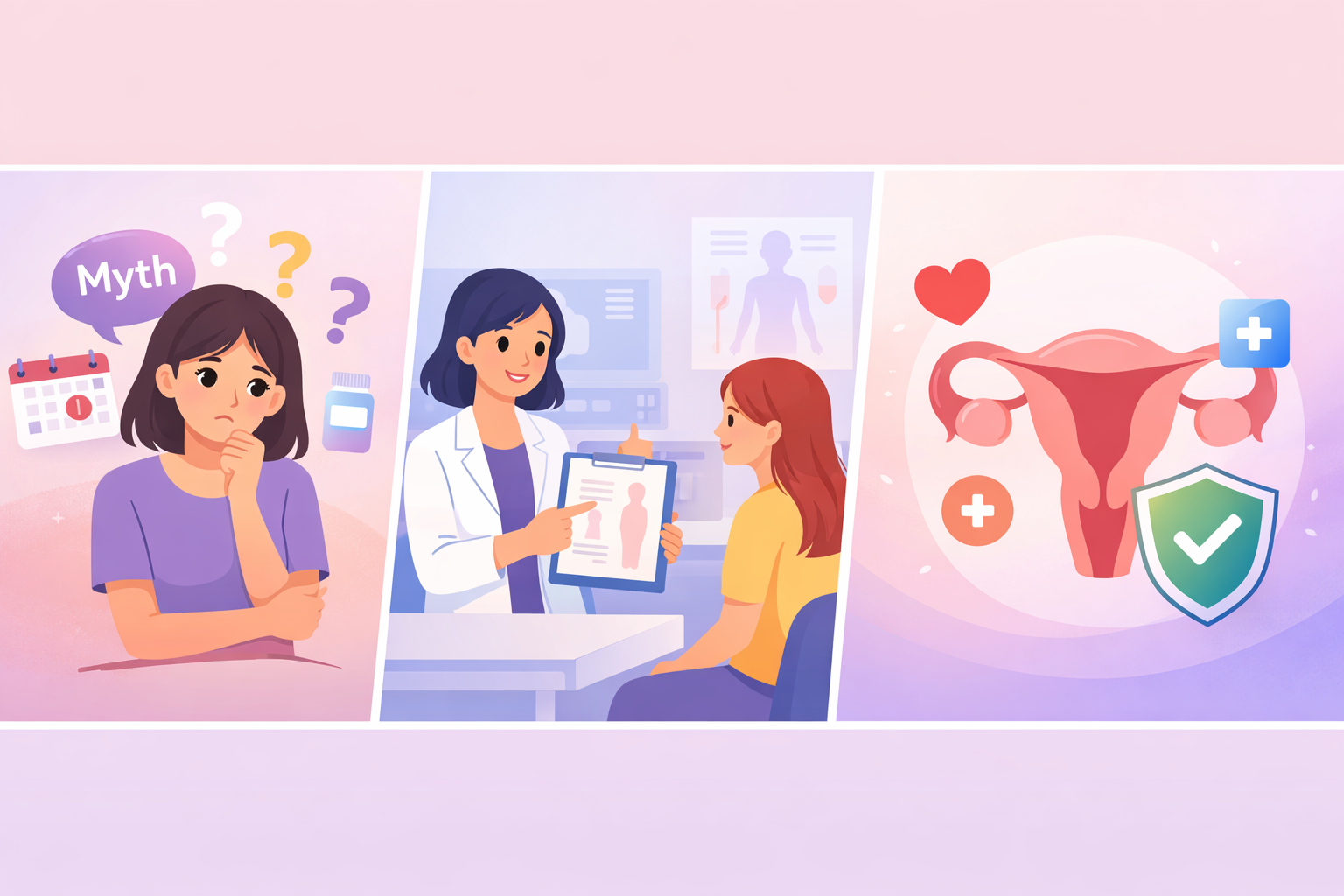



Overview of IVF Treatment for Fertility

Dr. Radhika Meka
(MBBS, DGO, MRCOG(UK))
For some couples, having a baby just happens. For others, it takes time… and sometimes, a lot more than expected. That’s usually the point where people start thinking, “Is something wrong?” and decide to visit a Gynecologist. Fertility issues are actually more common than most people talk about. And honestly, many couples go through this quietly. The good part is—medical treatments today have improved a lot, and IVF is one of the options that has helped many people become parents.
How It Usually Starts
Most people don’t go directly for IVF. First, the doctor tries to understand what’s causing the delay. You might be asked to do a few tests. Nothing too scary—just basic blood tests, scans, and for men, a semen test. Sometimes the issue is clear, like hormone imbalance or irregular ovulation. Sometimes everything looks normal, which can be confusing. A good Gynecologist won’t rush things. They usually suggest simple treatments first before moving towards IVF.
What IVF Really Feels Like
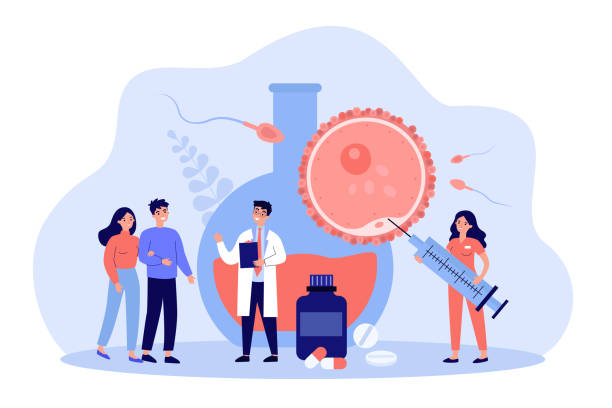
People often explain IVF in a very technical way. But when you actually go through it, it feels different. It starts with medications to help the ovaries produce more eggs. That means regular hospital visits for scans. Then comes the egg collection—it’s a short procedure, but yes, people do feel nervous before it. After that, fertilization happens in the lab. This is where IVF literally happens—outside the body. Once the embryo is ready, it is placed back into the uterus. And then comes the hardest part… waiting. That waiting period is something almost everyone talks about. You’re hopeful, but also scared to expect too much.
When Doctors Suggest ICSI
Sometimes, during IVF, doctors feel that fertilization might be difficult. That’s when they suggest ICSI. In simple words, instead of leaving the sperm and egg together, the doctor directly injects one sperm into the egg. It’s usually recommended when there are sperm-related issues or if a previous IVF cycle didn’t work. For many couples, ICSI has made a real difference.
Small Procedures That Make a Big Difference
Before starting IVF, doctors sometimes suggest checking things more closely. A Laparoscopic procedure might be done if there’s a chance of internal issues like endometriosis or cysts. It’s a minor surgery, and most people recover quickly. Then there’s Hysteroscopy, where the doctor checks inside the uterus. If there’s anything unusual—like a small polyp or scar tissue—they can often fix it at the same time. These steps may feel like “extra,” but they actually help improve the chances of IVF working.
The Part No One Prepares You For
To be honest, IVF is not just about treatment. It affects you emotionally too. There are days when you feel positive, especially after a good scan. And then there are days when you overthink everything. Even small things start to feel important. People around you may not always understand what you’re going through—and that’s okay. Having a supportive doctor and a Gynecologist who listens makes a big difference. Sometimes, just hearing “we’ll take this step by step” is enough.
Reaching the Stage of Maternity
For couples who go through IVF, reaching Maternity feels different. It’s not just another phase—it feels earned. Every scan, every heartbeat, every small update feels special. The journey makes you appreciate it more.
Final Thoughts
IVF is not a quick fix. It takes time, patience, and sometimes more than one attempt. Some people may need additional support like ICSI. Others may need procedures like Laparoscopic surgery or Hysteroscopy before starting. There’s no single path that works for everyone. What matters is finding the right approach with the help of a trusted Gynecologist. If you’re going through this, take it one step at a time. Ask questions. Understand your options. And most importantly, don’t lose hope.