

How Does an IVF Clinic Help with Infertility?

Dr. Radhika Meka
(MBBS, DGO, MRCOG(UK))
For many couples, starting a family feels like something that should happen naturally. So when it doesn’t, it can be confusing at first. People often wait, thinking maybe it just needs a little more time. But as months go by, that uncertainty slowly turns into concern. That’s usually when visiting an IVF clinic becomes the next step. What most people don’t realize is that an IVF clinic is not just about advanced treatments. It’s more like a complete fertility and gynaec centre, where everything starts from understanding the problem properly.
When Should You Actually See a Doctor?
A lot of couples delay getting help because they’re not sure if it’s “too early.” In general, if pregnancy hasn’t happened after trying for a year, it’s a good idea to consult a doctor. In some cases, even earlier. A gynecologist specialist usually handles the first consultation. They don’t jump straight into treatments. Instead, they try to understand what’s going on—cycle patterns, health conditions, lifestyle habits, and more. Sometimes, the issue is simple. It could be hormonal imbalance or irregular ovulation. Other times, it may need deeper investigation.
The Role of Testing and Diagnosis
Before suggesting anything, doctors usually recommend a few tests. These help identify whether the concern is related to the female reproductive system, the male side, or both. This is where a proper fertility and gynaec centre makes a difference. Everything—from scans to lab tests—is done in one place, which makes the process smoother. In some situations, doctors for hysteroscopy are involved. This procedure helps check the inside of the uterus and identify any issues that might affect pregnancy. It sounds technical, but it’s a routine step in many cases.

Why Do Doctors Recommend It?
Every couple’s situation is different. A doctor will usually suggest ICSI only after understanding the root cause of the problem. It is often recommended when sperm count is very low, when sperm movement is not strong enough, or when there have been repeated unsuccessful attempts with other treatments. In some cases, further checks are done to make sure everything inside the uterus is healthy and ready for pregnancy.
When Treatment is Needed
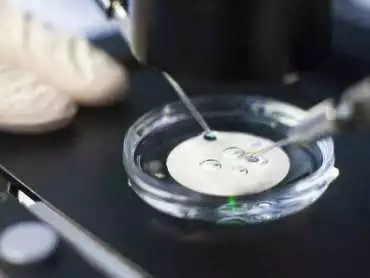
Not every couple needs IVF immediately. That’s something many people misunderstand. Doctors usually begin with simpler treatments first. But if those don’t work, then advanced options are considered. IVF (In Vitro Fertilization): Eggs and sperm are combined outside the body, and the embryo is then placed in the uterus. Hospital for ICSI: This is often recommended when there are sperm-related issues. A single sperm is directly injected into the egg. IVM treatment: In certain cases, immature eggs are collected and matured in the lab before fertilization. Each of these treatments is chosen based on the individual situation. There’s no one-size-fits-all approach here.
When Surgery Becomes Part of the Process
Sometimes infertility is caused by physical conditions like fibroids, cysts, or blocked fallopian tubes. In such cases, a laparoscopic surgeon may be involved. These procedures are usually minimally invasive, meaning smaller cuts and quicker recovery. Many patients feel relieved knowing that surgery doesn’t always mean long hospital stays anymore.
Care After Conception
Getting pregnant is only one part of the journey. After that, proper care becomes equally important. Regular visits to prenatal care doctors help monitor the baby’s growth and the mother’s health. Choosing a good maternity hospital ensures that everything is managed safely from early pregnancy to delivery.
The Emotional Side of Infertility
This is something that often goes unspoken. Infertility can be mentally exhausting. Waiting, hoping, trying again—it can take a toll. Some days feel positive, while others feel heavy. A good IVF clinic understands this. The doctors don’t just focus on reports and treatments. They talk, they explain, and they give you time to process things. That kind of support actually matters a lot during this journey.
Final Thoughts
Infertility is more common than people think, and it’s nothing to feel alone about. An IVF clinic brings together the right people—gynecologist specialists, laparoscopic surgeons, and prenatal care doctors—all working towards the same goal. With the right approach and support, what feels uncertain at first can slowly become a clear path forward. Sometimes, all it takes is the right guidance at the right time.