
What is Cystoscopy
How does Cystoscopy Work?
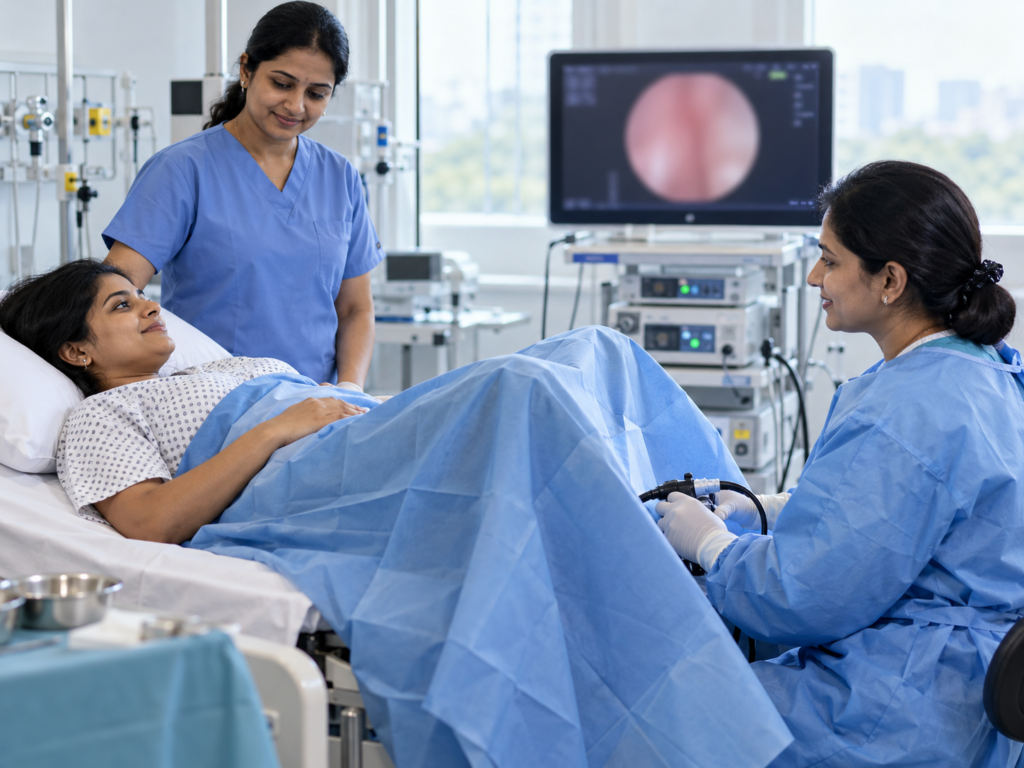
Cystoscopy is usually done in the best cystoscopy hospital in Chennai. Here’s how it works:
- Preparation : Some procedures may require that the patient pass water before they get on the operating table.
- Anesthesia : Local anesthesia may be used to numb the area for the procedure, while general anesthesia could be administered in some cases.
- Insertion : The cystoscope is slowly inserted into the urethra up to the bladder.
- Examination : The doctor finally examines the bladder’s lining and, if necessary, will photograph or even take a biopsy of the area.
- Completion : This is followed by the cautious withdrawal of the cystoscope.
What Are the Types of Cystoscopes?
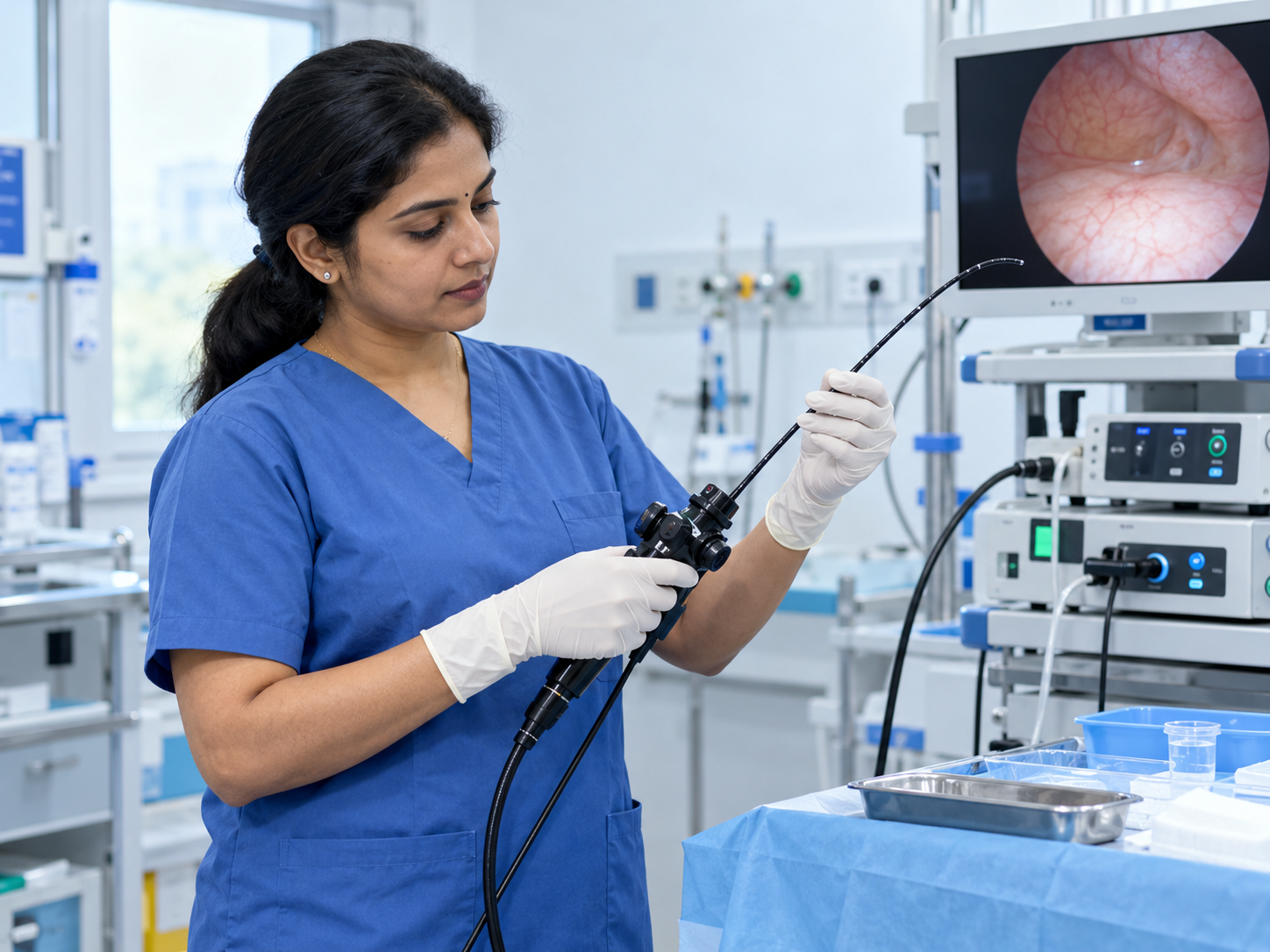
A cystoscope is a thin instrument with a camera used to examine the bladder and urethra. There are two main types:
-
01
Rigid Cystoscope
A straight instrument that does not bend. It is often used when a biopsy or treatment inside the bladder is needed. Rigid cystoscopy is generally performed under general or spinal anaesthesia.
-
02
Flexible Cystoscope
A thin, bendable instrument commonly used to investigate bladder symptoms. Flexible cystoscopy is usually performed using local anaesthetic gel and can often be completed as an outpatient procedure.
Your doctor will recommend the appropriate type based on your symptoms, the purpose of the examination and any treatment required.

Why do you Need a Cystoscopy?
Cystoscopy in Chennai can be diagnostic for the following reasons:
- Diagnosis : It diagnoses infections, tumors, and stones inside the bladder.
- Relief of Symptoms : The patient, constantly troubled due to their urinary tract, finds beneficial relief through cystoscopy.
- Monitoring : Patients with a history of bladder-related conditions may require to be supervised frequently so that their condition can be checked.
- Treatment : The best cystoscopy doctors in Chennai perform minor procedures such as removing stones or performing a biopsy.
How should I Prepare for a Cystoscopy?
Preparation of a cystoscopy in Chennai will make the process easier. Here are some tips:
- Transport : Make sure you have a way home if you’ve elected to have sedation.
- Hydration : Avoid drinking a lot of water before the test, as you may need to urinate before the test is over.
- Consultation : Inform your healthcare professional about any other medications you are on, especially blood thinners.
- Diet : The best doctors for cystoscopy in Chennai recommend adhering to any dietary restrictions, mainly where anesthesia is used.
Why Choose Parampara Fertility for Cystoscopy?
You are in safe hands when you choose Parampara Fertility for your cystoscopy. They have some of the best cystoscopy doctors in Chennai. They are experienced combined with politeness. It has advanced hospital equipment that allows for the correct identification of the sick and accurate treatment. Here’s why Parampara Fertility stands out:
- Parampara Fertility has a skilled team of cystoscopy surgeons in Chennai with extensive experience in urinary health.
- They ensure patient comfort through a warm, caring environment during procedures.
- The cystoscopy doctors provide personalized care, addressing individual needs throughout treatment.
- Their supportive staff offers reassurance and ample time for questions, enhancing the patient experience.
- The clinic provides comprehensive services from diagnosis to treatment, ensuring seamless care without multiple visits.
- At Parampara Fertility, patients are treated as family, not just a number.
What are the Risks of Cystoscopy?
Although cystoscopy treatment in Chennai is generally safe, there are many risks and complications of cystoscopy to be taken into account:
- Bleeding : Most of the time, there will be some light bleeding in case a biopsy is taken.
- Infection : The formation of a urinary tract infection may take place after the introduction of the catheter.
- Tissue Injury : Occasionally, complications involving the bladder or the urethra may occur due to the use of the cystoscope.
- Discomfort : After the procedure, some patients might develop discomfort and a burning sensation when passing urine.
Recovering after a Cystoscopy
Most people experience little discomfort after a cystoscopy, and recovery is fast. It is an outpatient procedure, and the patient may leave the hospital on the same day. Here are some recovery tips after getting cystoscopy treatment in Chennai:
- Hydration : Always take a lot of water to clear out your body.
- Rest : Try not to do any heavy activity after the procedure. Allow yourself to rest.
- Pain Management : Non-prescription medications may be used if the person is experiencing discomfort.
- Monitor Symptoms : Note any changes in otherwise heightened discomfort, including pain and/or fever, and consult cystoscopy doctors in Chennai.
Personalised Care Starts with a Conversation for reliable nursing
Central Office:
Contact
+91 91766 44050
Schedule a Free Effective
Consultation
Frequently asked questions
Can food be consumed before cystoscopy?
You are allowed to eat, but follow the specific prescription of your doctor.
Is cystoscopy painful?
Although uncomfortable, most patients do not complain much during the process.
What should I do after the procedure?
Pain or burning in the urinary system often involves rashes, itching, or mild burning during or after urinating. Drinking fluids helps.
How long does a cystoscopy procedure last?
Usually, a cystoscopy takes 15 to 30 minutes, but it may take longer if your physician wants to see the lower portion of your bladder as well.