
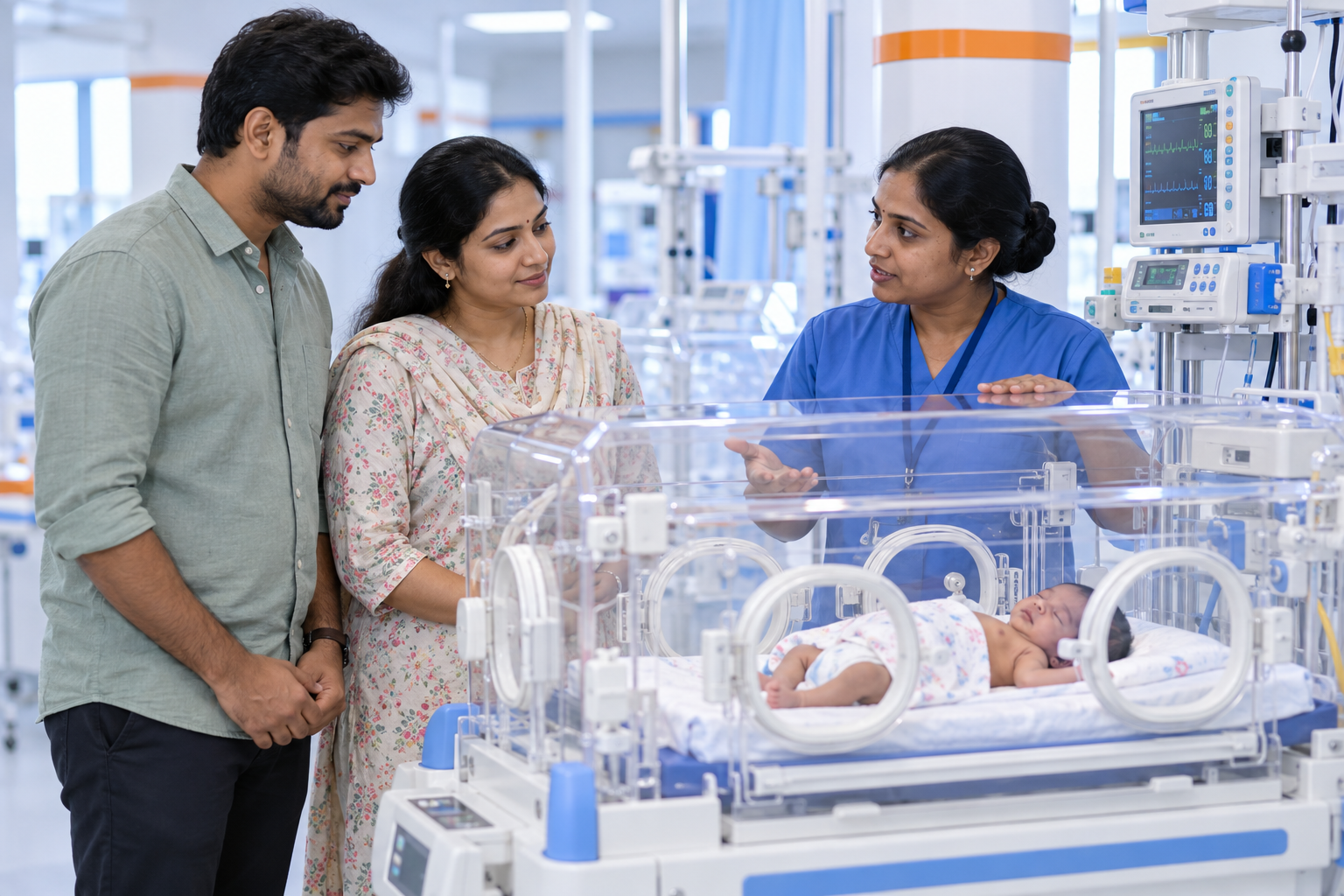

What is High Risk Pregnancy
A high risk pregnancy is when a pregnancy is considered in some ways to be in danger due to some complications that may affect both the mother and the baby. Both these pregnancies come with certain risks, and the women need to take extra care and follow a proper method of delivering the baby. High-risk pregnancies demand increased monitoring, with more frequent check-ups and tests compared to normal pregnancies. These situations require specialized care from physicians who possess the knowledge and expertise necessary to manage the complexities associated with high-risk pregnancies.
High risk pregnancy merely implies that a woman is likely to encounter complications that will delay her from having a healthy baby. However, this should not always be the case if the woman follows a strict code provided by her physicians.
Symptoms of High Risk Pregnancy
The following are a few common signs:
- Severe Swelling : Some signs you do not expect, like hand and face swelling, may point to preeclampsia.
- Reduced Fetal Movement : If your baby moves much less than before, see your doctor or seek medical advice.
- Severe Nausea and Vomiting : It is worth noting that severe vomiting in the morning can signal a high risk pregnancy.
- Severe Abdominal Pain : Sharp pain in the abdominal area may sometimes indicate complications of the disease.
- Persistent Bleeding : Expectant mothers are advised to inform their doctors of any bleeding during pregnancy since it is dangerous.
If you are having any of the above signs, you should seek help from a high risk pregnancy clinic in Chennai.
What Can Make a Pregnancy High Risk?
Some pregnancies need closer monitoring because of age, existing health conditions or other factors. Common risk factors include:
-
01
Maternal Age
Pregnancy in the teenage years or at age 35 and above can carry additional risks and may need closer monitoring.
-
02
Pre-existing Medical Conditions
Diabetes, high blood pressure, heart disease and other ongoing health conditions may require additional care during pregnancy.
-
03
Obesity
Obesity before pregnancy can increase the likelihood of gestational diabetes and other complications. Your doctor can guide you on nutrition and monitoring.
-
04
Twins or Multiple Pregnancy
Carrying twins, triplets or more babies increases the chance of premature birth and usually requires more frequent checkups.
-
05
Lifestyle Factors
Smoking, alcohol and recreational drug use can affect pregnancy and your baby’s health. Discuss any exposure with your doctor for support.
A risk factor does not mean a complication will occur. Your doctor will assess your individual needs and plan appropriate monitoring and care.

Complications of High Risk Pregnancy
High-risk pregnancies can cause complications, so being informed helps you take proactive care steps.
- Preeclampsia : A disease of hypertension along with damage to other organs, most often the liver and kidneys.
- Gestational Diabetes : Pregnancy with high blood sugar levels is dangerous not only for the future mother but also for the baby.
- Preterm Labor : Vesicular premature birth can cause several health risks to the baby, including respiratory distress syndrome.
- Fetal Growth Restriction : The baby is not developed at the normal standard size inside the womb, and hence, various health complications are affected.
- Placental Abruption : The placenta detaches from the womb wall, creating a dangerous situation for both mother and baby.
Why Choose Our Clinic for High Risk Pregnancy?
Choosing the right care for a high-risk pregnancy is crucial. At Parampara Fertility, the top high-risk pregnancy clinic in Chennai, we offer more than medical care; we provide supportive companionship throughout your pregnancy. Our specialised care plans ensure each pregnancy is treated uniquely, while our best plan that covers diet, mental health, and necessary adjustments. With state-of-the-art facilities and a compassionate care team, including leading high-risk pregnancy specialists in Chennai, we offer comfort and expert care. From initial consultation to postnatal support, our dedicated high-risk pregnancy doctor in Chennai is with you every step of the way. Our proven success stories and patient feedback reflect the trust and satisfaction we bring to families facing high-risk pregnancies.
How is High Risk Pregnancy Diagnosed?
Evaluating high risk pregnancy entails a number of steps that are done with a view to establishing whether any complications exist. Key points are:
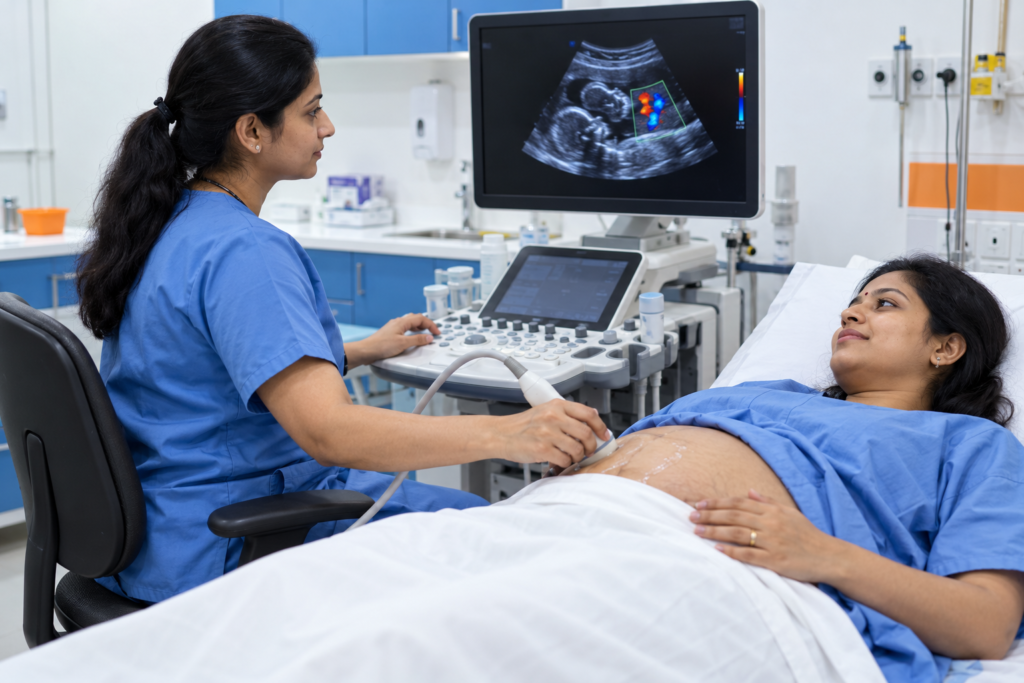
- Ultrasound Scans : These assist in tracking the baby’s growth and also check for abnormalities.
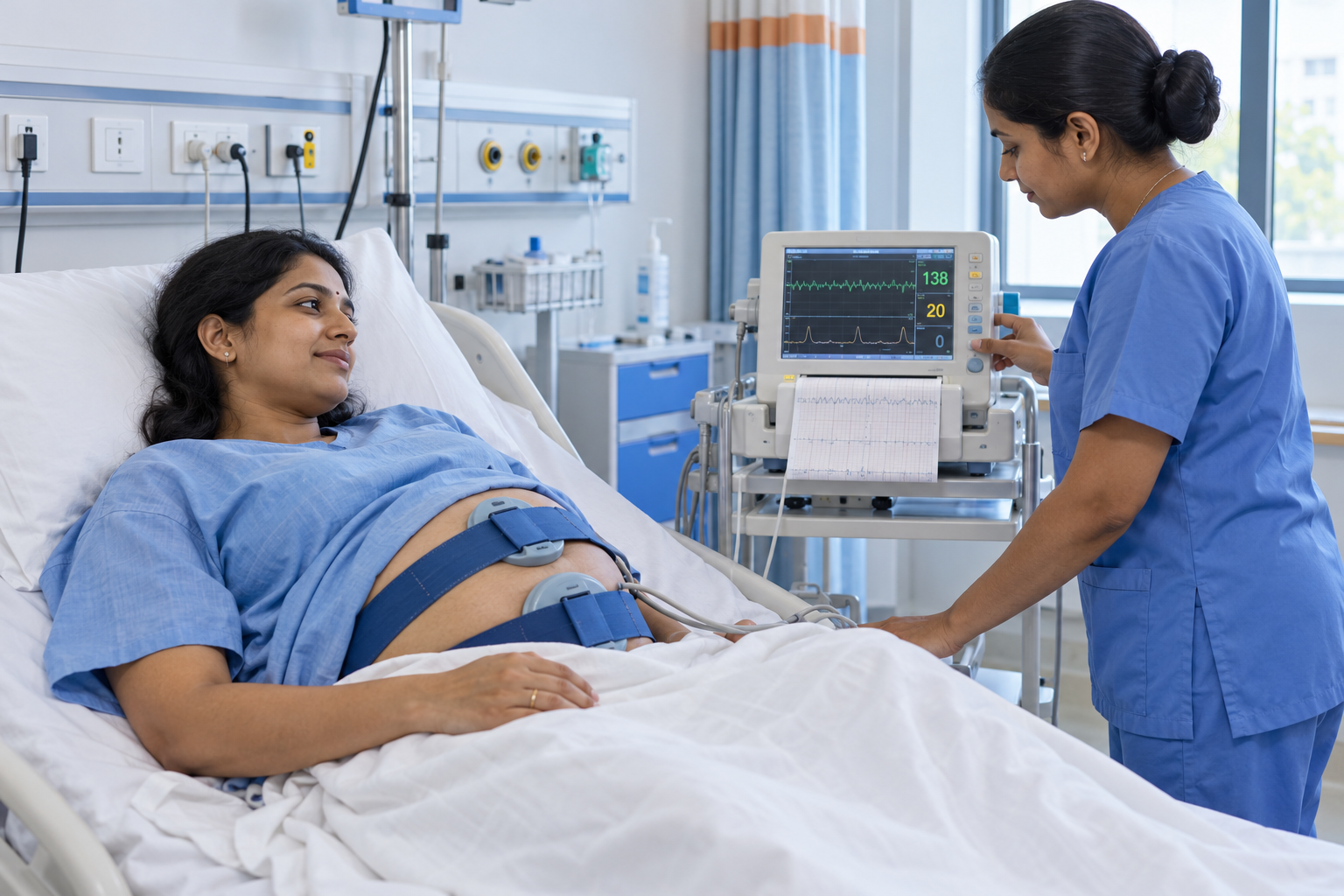
- Non-Stress Tests : This test checks on the baby’s heart rate and general activity to ensure that they are active.
- Amniocentesis : Occasionally, a small amount of the amniotic fluid is collected in order to test for possible hereditary diseases.
- Blood Tests : Anticipatory care means that a woman will have blood tested at least once a week; problems such as gestational diabetes or infection will show up in the blood tests.
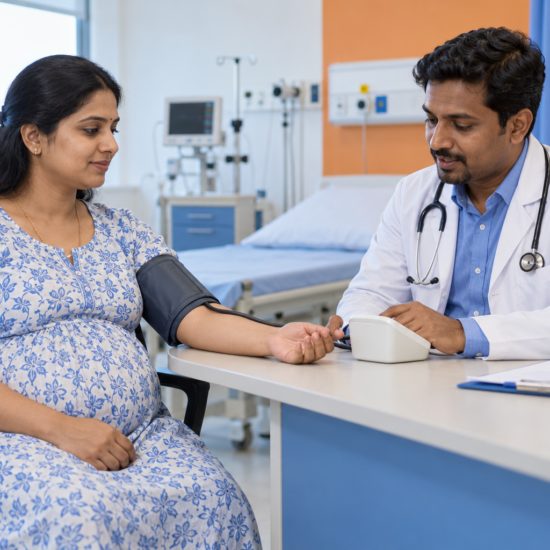
- Maternal Health Assessment : Check up on the children’s mother’s overall health because she is currently actively engaging in activities that may lead to high blood pressure and an increase in weight.
Common Treatments for High Risk Pregnancy
- Medication : Some complications, for example, hypertension or gestational diabetes, may call for the use of drugs.
- Frequent Monitoring : They enable the monitoring of pregnancy progress through routine check-ups and tests.
- Bed Rest : Sometimes, doctors advise their patients to lie down flat or take a lot of bed rest, especially when there are signs of early labor.
- Specialized Diet : This is important since such conditions as gestational diabetes are well managed through proper eating habits, and even general health is fostered.
- Surgical Interventions : Sometimes delivery may, however, require surgical intervention, which may include a cesarean section, among others.
This is why your high risk pregnancy doctor in Chennai will not only attend to your pregnancy needs but also sort out for you the best treatment plan that ought to be undergone.
Ways to Prevent High Risk Pregnancy
While some factors are beyond your control, the following are steps you can take to reduce the risk of complications during pregnancy:
- Regular Prenatal Care : It is recommended that women attend all planned prenatal exams because all concerns will be detected early.
- Healthy Lifestyle : Healthy food intake, regular exercise, and refraining from taking undesirable products enhance pregnant women’s health.
- Stress Management : Thus, successful relaxation techniques can be of help in this particular case in order to decrease stress in both the mother and the baby.
- Manage Pre-existing Conditions : If you have a chronic condition, consult your physician on how to manage it prior to conception as well as during pregnancy.
- Vaccinations : It can be dangerous to get an infection during pregnancy, but getting vaccinated regularly can reduce the chances of contracting the disease.
Personalised Care Starts with a Conversation for reliable nursing
Central Office:
Contact
+91 91766 44050
Schedule a Free Effective
Consultation
Frequently asked questions
How frequently should I see my doctor if I am in a high risk pregnancy?
You should see your doctor more often or at least once a month during the pregnancy, especially during the last three months of pregnancy. Depending on your need, your doctor will fix a schedule for your chemotherapy treatment.
Is it possible for me to have a natural childbirth, considering that I am pregnant with a high-risk pregnancy?
Well, yes, but the risks are quite specific: if you can find a situation where some of them apply to you, then the second baby may be delivered normally. Your doctor will, however, give you directions depending on the condition in which it will be diagnosed.
In what ways should I proceed if I develop odd signs and symptoms?
Always consult with the high risk pregnancy clinic in Chennai for instant medical help if you face some complications, such as severe pain or bleeding.
Should high risk pregnancy have anything to do with a baby’s development?
Indeed, there exist a number of conditions that can lead to complications with fetal growth and development. It is for this reason that some of these dangers are manageable after proper assessment and care have been administered frequently.