

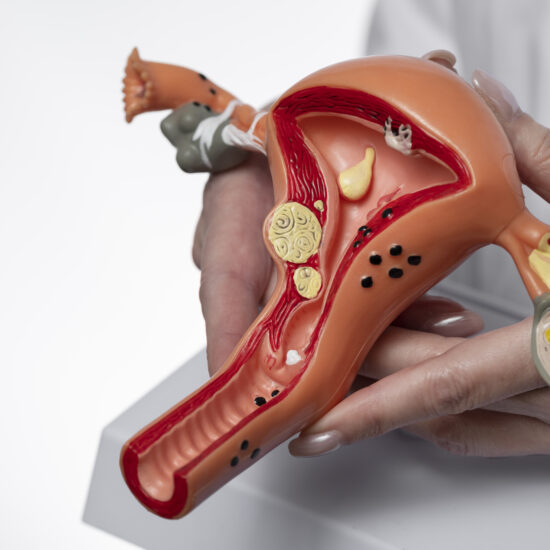
What is Hysteroscopy
Hysteroscopy is a procedure that involves inserting a thin, lighted tube called a hysteroscope through the vagina and cervix into the uterus. It allows doctors to visually examine the inside of the uterus for abnormalities such as fibroids, polyps, or adhesions. Hysteroscopy can also be used to perform surgeries such as removing polyps or fibroids, correcting uterine septums, or sterilization procedures like tubal ligation.
Who Needs a Hysteroscopy?
Hysteroscopy surgery in Chennai is often needed for individuals experiencing the following:
- Individuals with abnormal uterine bleeding.
- Those with unexplained infertility.
- Patients with recurrent miscarriages.
- Presence of uterine fibroids or polyps.
- Abnormal imaging test results (e.g., ultrasound).
- Treatment for intrauterine adhesions.
- Removal of a difficult-to-retrieve IUD.

Types of Hysteroscopy
Hysteroscopy uses a thin camera to look inside the uterus through the vagina and cervix. It can be used to investigate symptoms or treat certain conditions.
Diagnostic Hysteroscopy
Examining the Inside of the UterusYour doctor examines the uterine cavity to investigate abnormal bleeding, suspected polyps or selected fertility concerns. A tissue sample may be taken if needed.
Know More
The findings help guide the next steps in your care. Your doctor will explain any results and whether further treatment is recommended.
Operative Hysteroscopy
Treating Conditions Inside the UterusFine instruments are used to treat certain findings, such as uterine polyps or suitable fibroids that project into the uterine cavity.
Know More
Treatment may take place during the same appointment or in a planned procedure later, depending on the findings and your agreed care plan.
Your doctor will discuss the purpose of the procedure, pain relief or anaesthesia options, preparation and recovery with you.
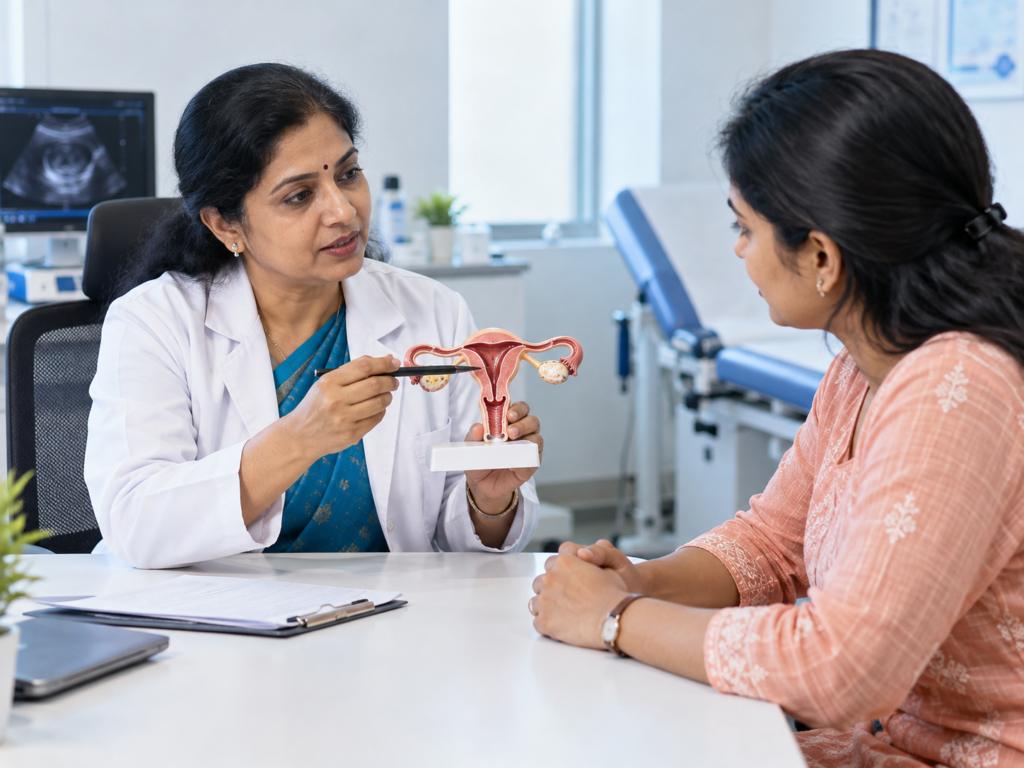
Procedure in Hysteroscopy
The best hysteroscopy doctors in Chennai offer advanced procedures to diagnose and treat a variety of uterine conditions with precision and care.
During hysteroscopy, a hysteroscope—a thin tube with a light and camera—is gently inserted through the vagina and cervix into the uterus. The uterine cavity is then filled with saline or carbon dioxide to provide a clear view. The doctor examines the uterine lining and structures for abnormalities such as polyps, fibroids, or adhesions.
If needed, surgical instruments can be passed through the hysteroscope to perform procedures like removing growths or correcting structural issues. Afterward, the hysteroscope is removed.
What Happens Before, During, and After a Hysteroscopy?


Why Choose Parampara for Hysteroscopy?
Benefits of Hysteroscopy

Personalised Care Starts with a Conversation for reliable nursing
Central Office:
Contact
+91 91766 44050
Schedule a Free Effective
Consultation

Frequently asked questions
What is the recovery time for a hysteroscopy?
The recovery time for a hysteroscopy is generally short. Most patients can return to their normal activities within 1 to 2 days.
Is hysteroscopy a major surgery?
Hysteroscopy is generally considered a minimally invasive procedure rather than a major surgery. It involves inserting a thin, lighted tube called a hysteroscope through the vagina and cervix into the uterus to diagnose or treat conditions like fibroids, polyps, or abnormal bleeding.
How painful is a hysteroscopy without anesthesia?
Hysteroscopy without anesthesia can cause varying levels of discomfort, from mild cramping to sharp pain. The experience depends on the individual and the procedure's complexity.
What is the purpose of a hysteroscopy?
The purpose of a hysteroscopy is to examine the inside of the uterus to diagnose or treat conditions like abnormal bleeding, polyps, fibroids, or uterine abnormalities. It can also be used to investigate infertility or to remove intrauterine devices (IUDs).