

What is PCOD
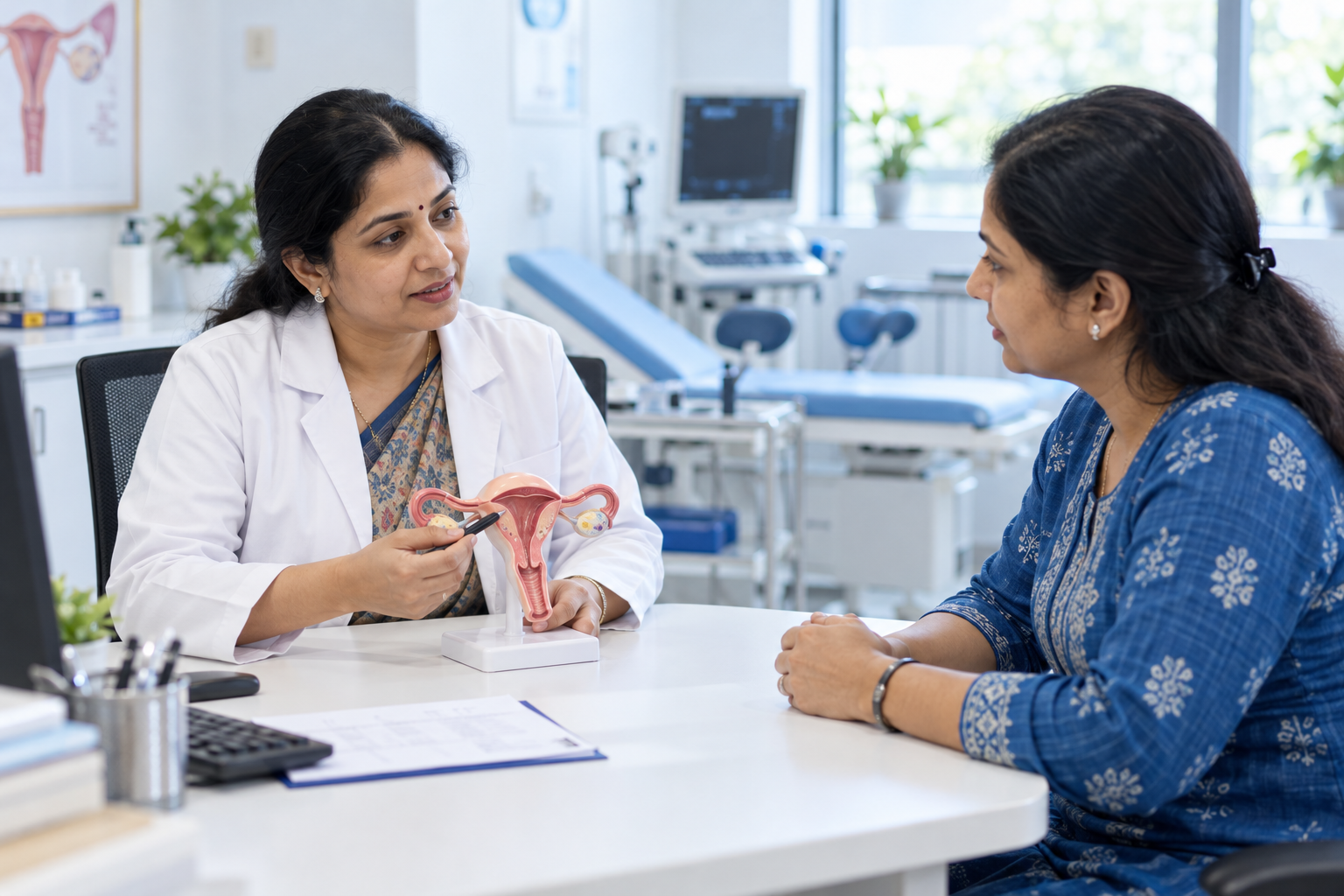
PCOD stands for Polycystic Ovarian Disease. It’s a common condition affecting women’s hormone levels. Women with PCOD produce higher-than-normal amounts of male hormones. This imbalance causes them to skip menstrual periods and makes it harder to get pregnant. PCOD also leads to hair growth on the face and body and baldness. It can contribute to long-term health problems like diabetes and heart disease.
Symptoms of PCOD
PCOD has various symptoms that can vary from woman to woman. Here are the most common ones:
- Irregular Periods : Having few or no menstrual periods.
- Heavy Bleeding : Heavy bleeding when you do have periods.
- Hair Growth : Excess hair on the face, chest, belly, and back.
- Acne : Severe acne, especially on the face, chest, and upper back.
- Weight Gain : Gaining weight or having difficulty losing weight.
- Male-pattern Baldness : Hair loss on the scalp or thinning hair.
- Darkening of the Skin : Dark patches on the skin, especially on the neck, groin, and under the breasts.
- Headaches : Frequent headaches due to hormonal changes.
What Causes PCOD?
PCOD is a term commonly used for PCOS. The exact cause is not fully understood, but several hormonal and genetic factors may play a role.
-
01
Insulin Resistance
When the body responds less effectively to insulin, it may produce more of it. Higher insulin levels can increase androgen production and interfere with ovulation.
-
02
Low-grade Inflammation
Persistent low-level inflammation has been associated with PCOS and may contribute to hormonal changes. Its role is still being studied.
-
03
Family History & Genetics
PCOS can run in families. Having a mother or sister with the condition may increase your likelihood of developing it.
-
04
Higher Androgen Levels
Higher levels of androgens, such as testosterone, can affect ovulation and contribute to acne or excess facial and body hair.
Symptoms and contributing factors vary. A medical assessment helps identify your needs and guide a personalised care plan.

Complications of PCOD
PCOD can result in several complications if not managed properly:
- Infertility : Difficulty in getting pregnant due to irregular ovulation or failure to ovulate.
- Gestational Diabetes : Diabetes that develops during pregnancy.
- Miscarriage or Premature Birth : Increased risk of these during pregnancy.
- Nonalcoholic Steatohepatitis : Severe liver inflammation arises from fat accumulation in the liver
- Metabolic Syndrome : A cluster of conditions, including high blood pressure, high blood sugar, and abnormal cholesterol or triglyceride levels that increase the risk of heart disease
- Type 2 Diabetes : A lifelong condition that affects how your body handles glucose.
- Sleep Apnea : Obstructive sleep apnea is more likely in women who are overweight.
- Depression and Anxiety : Hormonal changes can increase the risk of mood disorders.
- Endometrial Cancer : The lining of the uterus can thicken and may lead to cancer.
Why Our Clinic is Your Best Choice for PCOD Care
At Parampara Fertility & Gynaec Centre, we offer specialized care for women with PCOD. Here’s why we are your best choice:
- Our PCOD specialist doctor in Chennai has years of experience in treating PCOD.
- We create treatment plans tailored to your specific needs.
- Our clinic is equipped with the latest technology for accurate diagnosis and treatment.
- We focus on a holistic approach, addressing both physical and emotional well-being.
- Our friendly and supportive staff ensures you feel comfortable and cared for during your treatment.
How is PCOD Diagnosed?
Diagnosing PCOD involves several steps:
- Medical History : Your doctor will enquire about your weight changes, menstrual periods, and other symptoms.
- Physical Exam : A physical exam will include checking for signs of excess hair growth, insulin resistance, and acne.
- Blood Tests : Blood tests will check hormone levels and rule out other conditions that cause similar symptoms.
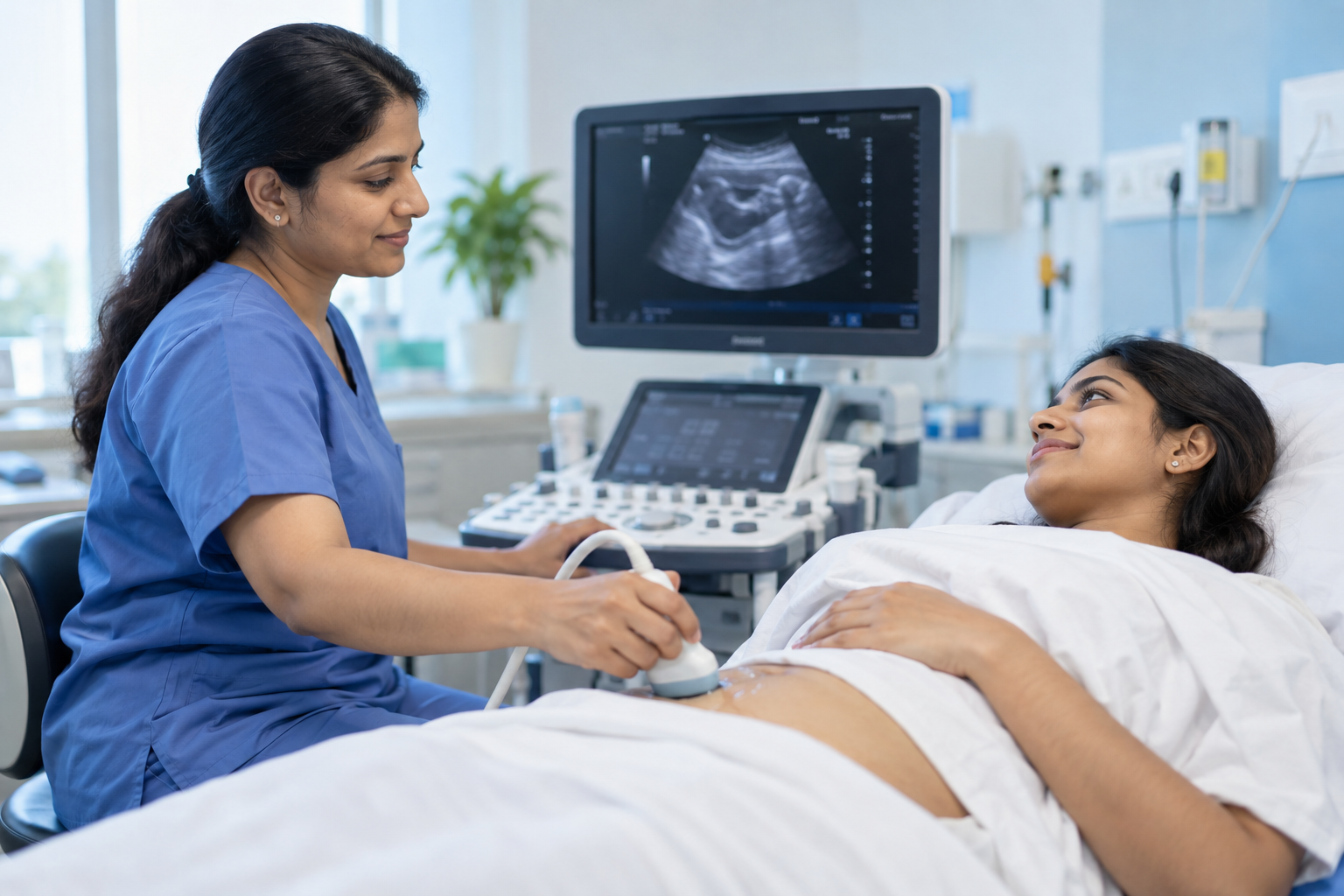
- Ultrasound : An ultrasound can show the appearance of your ovaries and the thickness of the lining of your uterus, helping to identify the presence of cysts.
Common Treatments for PCOD
While there is no cure for PCOD, treatment can help manage symptoms and prevent complications:
- Lifestyle Changes : Weight loss through a low-calorie diet and moderate exercise can help improve your symptoms.
- Medications : Birth control pills can regulate your menstrual cycle and reduce androgen levels. Metformin can help with insulin resistance. Clomiphene is used for women trying to conceive.
- Hair Removal : Hair removal treatments like electrolysis or laser hair removal can help manage excess hair growth.
- Surgery : In some cases, a minor surgical procedure called laparoscopic ovarian drilling might be recommended.
Ways to Prevent PCOD
While PCOD cannot always be prevented, specific lifestyle changes can reduce your risk:
- Maintain a Healthy Weight : Controlling your weight can help regulate your menstrual cycle and lower your androgen levels.
- Eat a Balanced Diet : Prioritize a diet rich in fruits, vegetables, lean proteins, and whole grains. Avoid processed foods and sugars.
- Exercise Regularly : Regular physical activity helps maintain a healthy weight and reduces insulin resistance.
- Manage Stress : High stress can exacerbate symptoms. Try stress-reducing methods such as meditation or yoga.
Personalised Care Starts with a Conversation for reliable nursing
Central Office:
Contact
+91 91766 44050
Schedule a Free Effective
Consultation
Frequently asked questions
What is PCOD?
PCOD is a condition where a woman's ovaries produce excessive male hormones, causing various symptoms and complications.
What are the symptoms of PCOD?
- Common symptoms include irregular periods, heavy bleeding, excess hair growth, acne, weight gain, and male-pattern baldness.
What causes PCOD?
Factors include excess insulin, low-grade inflammation, heredity, and excess androgen.
How is PCOD diagnosed?
Diagnosis involves medical history, physical exams, blood tests, and ultrasounds.