

What is Hysterectomy
Procedure in Hysterectomy
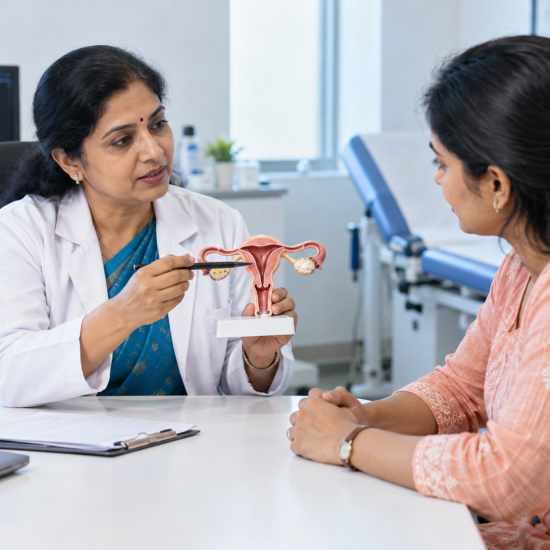
A hysterectomy is a surgical procedure to remove the uterus. It can involve either removing the entire uterus (total hysterectomy) or just the upper part while leaving the cervix intact (partial hysterectomy). The surgery is performed under general anesthesia and can be done abdominally, vaginally, or using laparoscopic techniques with small incisions and a camera. Recovery typically includes a hospital stay and several weeks of rest. Depending on medical reasons, the surgeon may also remove the ovaries and fallopian tubes during the procedure.
Types of Hysterectomy
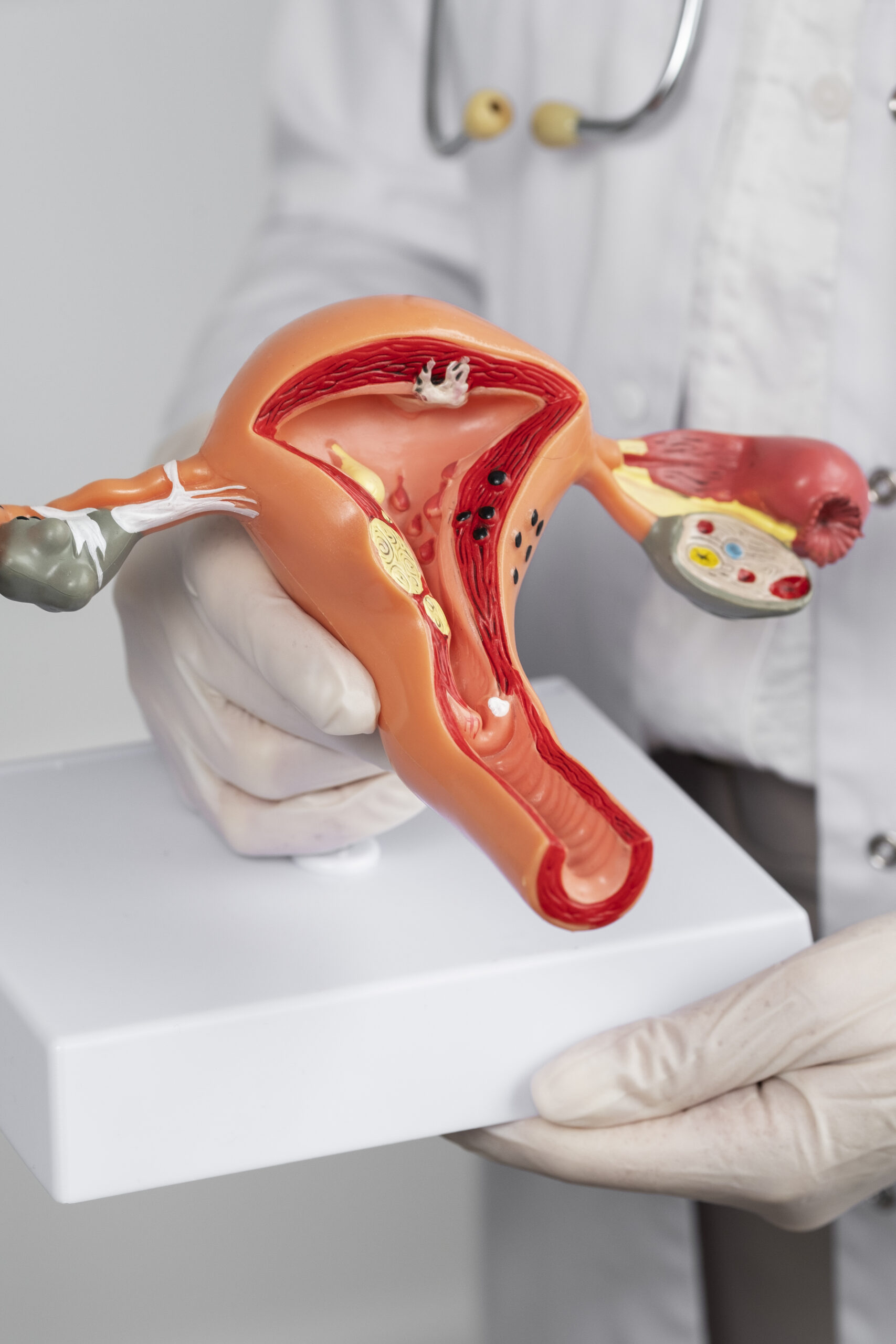
A hysterectomy is surgery to remove the uterus. The type describes how much tissue is removed. Common types include:
Total Hysterectomy
Removal of the Uterus and CervixThe uterus and cervix are removed. Removing the ovaries or fallopian tubes is a separate decision based on your condition and care plan.
Know More
Your surgeon will explain which organs are to be removed and discuss the expected recovery.
Subtotal or Partial Hysterectomy
The Cervix Is Left in PlaceThe main body of the uterus is removed while the cervix remains. This approach may be considered in selected circumstances.
Know More
Because the cervix remains, cervical screening is still needed according to your doctor’s advice.
Radical Hysterectomy
Removal of the Uterus and Nearby TissueThe uterus, cervix and some surrounding tissue, including part of the upper vagina, are removed. This operation is used for selected cancers.
Know More
A specialist cancer team plans the extent of surgery. Removal of other organs or lymph nodes depends on the diagnosis.
Pregnancy is no longer possible after the uterus is removed. Discuss your fertility wishes, alternatives, and whether the ovaries will be preserved with your doctor before surgery.

Why is a Hysterectomy Performed?
A hysterectomy is performed to address various medical conditions:
- Abnormal bleeding
- Uterine prolapse
- Fibroids
- Pelvic pain
- Endometriosis
- Uterine cancer or ovarian cancer
Why Choose Parampara for Hysterectomy?


What are the advantages of having a hysterectomy?
The advantages of having a hysterectomy are significant for women suffering from chronic conditions. It provides relief from pain, heavy bleeding, and discomfort caused by issues like fibroids, endometriosis, or uterine prolapse. For those at high risk, a hysterectomy can prevent cancers of the uterus, cervix, or ovaries. It serves as a permanent solution for chronic conditions that may not respond to other treatments. Many women experience an improved quality of life post-surgery, as it eliminates symptoms and provides long-term relief. Additionally, a hysterectomy stops menstrual periods, putting an end to menstrual-related problems.
Personalised Care Starts with a Conversation for reliable nursing
Central Office:
Contact
+91 91766 44050
Schedule a Free Effective
Consultation

Frequently asked questions
How long do ovaries last after hysterectomy?
If the ovaries are not removed during a hysterectomy, they typically continue to function normally and produce hormones for several years. However, their function may naturally decline with age. If the ovaries are removed, menopause will begin immediately.
Can you get a flat tummy after a hysterectomy?
Yes, many women experience a flatter tummy after a hysterectomy, especially if they had a large uterus or significant pelvic issues. However, achieving a flat tummy also depends on factors like body weight, overall fitness, and post-surgery recovery.
How painful is a hysterectomy?
A hysterectomy can cause moderate pain, especially in the first few days, but it's manageable with medication. Most discomfort improves within a week, with full recovery taking a few weeks.
Can you get pregnant after a hysterectomy?
After a hysterectomy, pregnancy is not possible because the uterus, where a fetus develops, is removed during the procedure.