

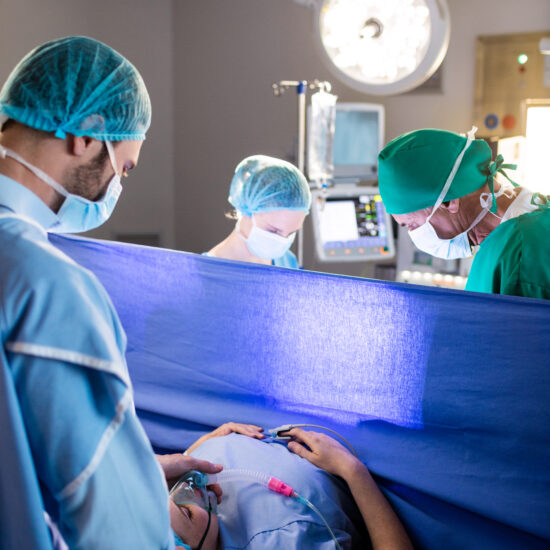
What is Laparoscopy
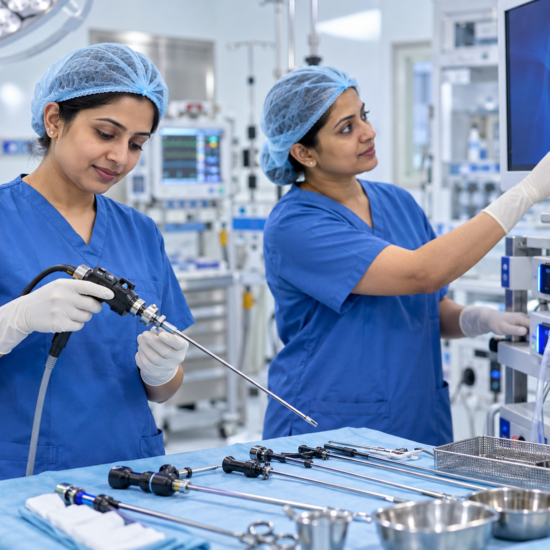
Laparoscopy is a minimally invasive surgical procedure used to examine and operate on organs inside the abdomen and pelvis. It involves making small incisions through which a laparoscope (a thin tube with a camera and light) and surgical instruments are inserted. The laparoscope allows surgeons to view the internal organs on a monitor, enabling precise diagnosis and treatment with less pain and faster recovery compared to traditional open surgery.
Procedure in Laparoscopy
During a laparoscopy procedure, small incisions are made in the abdomen through which a thin, lighted tube with a camera (laparoscope) and surgical instruments is inserted. The camera provides real-time images of the abdominal organs on a monitor, allowing the surgeon to visually examine and diagnose conditions or perform surgical interventions such as removing the gallbladder or appendix or treating endometriosis. This minimally invasive approach reduces recovery time, post-operative pain, and scarring compared to traditional open surgery, making it a preferred option for many surgical procedures.

Types of Laparoscopy
Laparoscopy can help diagnose or treat gynaecological conditions through small incisions. The approach depends on your symptoms, diagnosis and care needs.
Diagnostic Laparoscopy
Used to Investigate SymptomsA small camera is passed through a small abdominal incision to examine the pelvic organs. It may help investigate pelvic pain, suspected endometriosis or selected fertility concerns.
Know More
Your doctor may take a tissue sample if needed. Whether treatment is performed during the same operation depends on the findings and your agreed plan.
Operative Laparoscopy
Used to Treat a ConditionSpecialised instruments are used through small incisions to treat selected conditions, such as ovarian cysts, endometriosis or pelvic adhesions.
Know More
Treatment is planned around your diagnosis, symptoms and fertility goals. Your doctor will explain the benefits, risks and alternatives.
Advanced Laparoscopic Surgery
For More Complex ProceduresMore complex keyhole procedures may include surgery for deep endometriosis, fibroid removal or hysterectomy, depending on the condition and surgical assessment.
Know More
This is a more complex form of operative laparoscopy. Specialist expertise and, in some cases, a wider surgical team may be needed.
Your doctor will assess whether laparoscopy is suitable and explain the planned procedure, anaesthesia and recovery. Advanced laparoscopy describes the complexity of an operative procedure.

Who needs Laparoscopy?
Laparoscopy is a minimally invasive surgical procedure used to diagnose and treat a variety of conditions, that includes
- Pelvic inflammatory disease
- Endometriosis
- Ovarian cysts
- Uterine fibroids
- Ectopic pregnancy
- Gallbladder removal (cholecystectomy)
- Appendix removal (appendectomy)
- Biopsy (for tissue sampling, such as in suspected cancer cases)
- Tubal ligation (as a form of permanent birth control)
- Inguinal hernia repair
- Bariatric surgery (certain types of weight-loss surgery)
Benefits of Laparoscopy
- Smaller incisions mean less pain and quicker recovery.
- Minimal scarring leads to better cosmetic results.
- Smaller incisions reduce the chance of infection.
- Magnified view allows for greater surgical accuracy.
- The technique results in reduced bleeding during surgery.
Personalised Care Starts with a Conversation for reliable nursing
Central Office:
Contact
+91 91766 44050
Schedule a Free Effective
Consultation

Frequently asked questions
Is laparoscopy 100% successful?
Laparoscopy is a highly effective and minimally invasive procedure with a strong success rate. Most patients experience positive outcomes, with minimal complications and faster recovery times compared to traditional surgery.
Is laparoscopy painful?
Laparoscopy is generally less painful than traditional open surgery. Patients may experience mild discomfort or soreness at the incision sites, but this is usually well-managed with pain relief and typically resolves within a few days. Recovery is quicker, with most people returning to normal activities soon after the procedure.
How long do laparoscopic incisions take to heal?
Laparoscopic incisions typically take about 1 to 2 weeks to heal. Most patients experience minimal scarring, and the incisions close up within this timeframe. Full recovery, including internal healing, may take a few weeks longer, but patients can usually resume normal activities shortly after the procedure.
Is a laparoscopic surgery safe?
Yes, laparoscopic surgery is generally very safe and is considered a low-risk procedure. It offers several advantages, including smaller incisions, reduced pain, quicker recovery, and a lower risk of complications compared to traditional open surgery. However, as with any surgery, there are some risks, but they are typically minimal when performed by an experienced surgeon.