

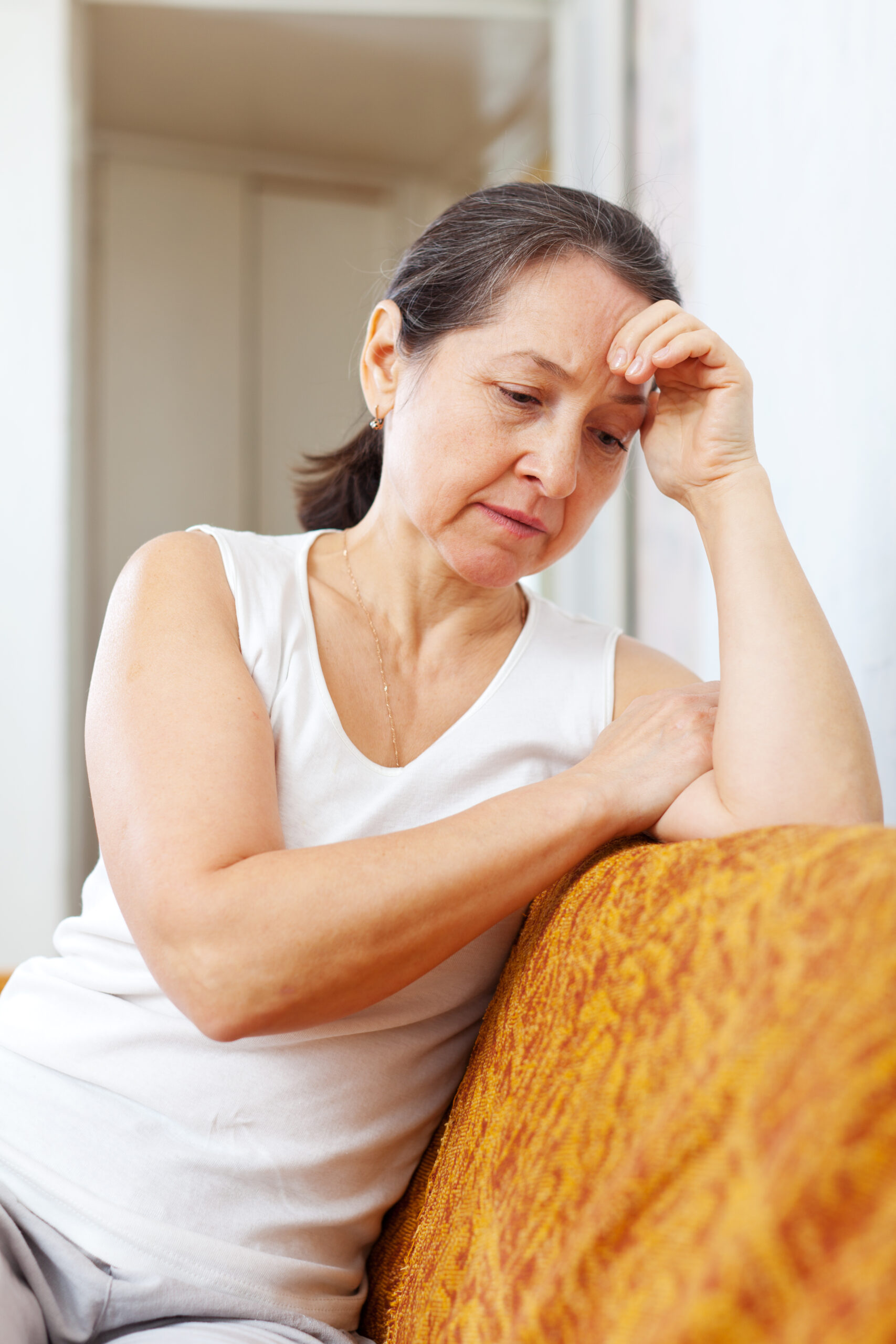
What is Menopause
Menopause is stated to be the absence of menses for a continuous period of one year or more. This phase is important in that it marks the end of the menstrual cycle and the ability of a woman to conceive naturally. First of all, menopause is not a disease. It is a physiological process that happens in every woman’s life and generates some changes in a woman’s body and her mood because of hormonal fluctuations. These changes may differ for each woman, and that is the reason why each woman has a different experience of menopause.
Symptoms of Menopause
Perimenopause is the initial stage leading to menopause, with symptoms appearing years earlier. These physical or psychological signs affect daily life and require attention from the best doctors for menopause treatment in Chennai. Symptoms include
- Night Sweats : Sleep disturbance is due to hot flashes that occur at night.
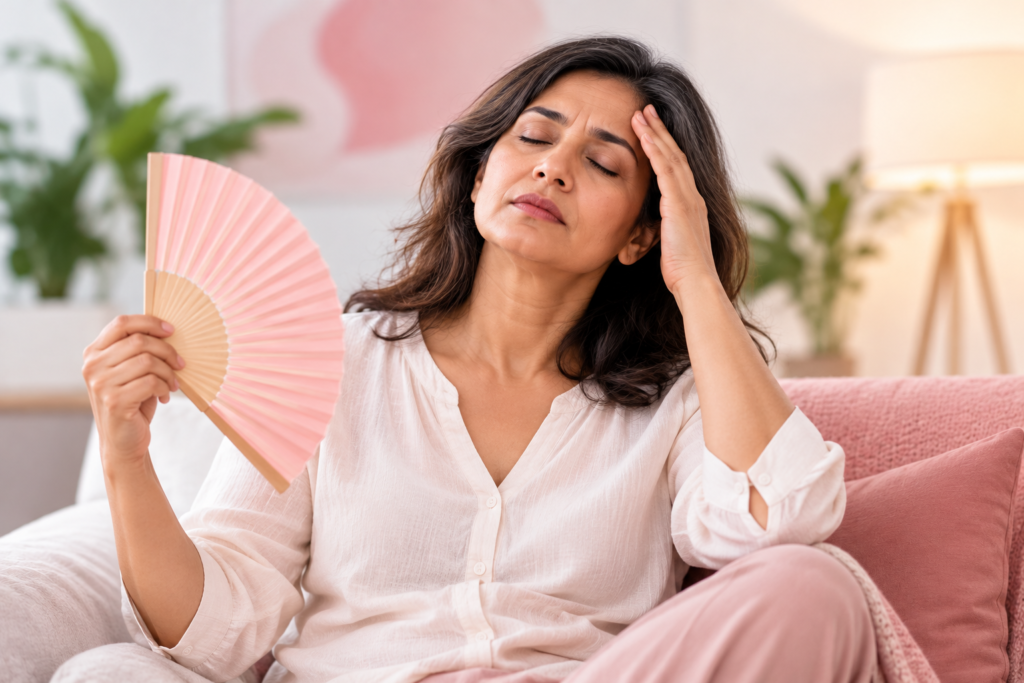
- Hot Flashes : Sudden tremors with heat and sweating.
- Mood Swings : Hormonal changes may cause irritability, anxiety, or depression.
- Thinning Hair : Hair may thin, become brittle, or lead to hair loss.
- Sleep Problems : Insomnia is a common issue during menopause.
- Weight Gain : Common complaints include abdominal swelling.
- Vaginal Dryness : Low estrogen causes dryness and discomfort during intercourse.
- Irregular Periods : Periods may become more or less frequent due to fluctuations.

Stages of Menopause
From changing cycles to life after menopause, every woman's experience is different. Understanding these stages can help you recognise changes and seek the support you need.
Perimenopause
The transition leading up to menopause. Hormone levels fluctuate, periods may become irregular, and symptoms such as hot flushes, sleep difficulties or mood changes may begin.
Know More
This transition can last several years. Keeping a record of your periods and symptoms can help your doctor understand the changes you are experiencing.
Menopause
Natural menopause is recognised after 12 consecutive months without a period, when this is not explained by pregnancy, medication or another medical cause.
Know More
Hormonal contraception can make this harder to identify. Your doctor can assess your symptoms and history and discuss suitable options for managing symptoms.
Postmenopause
The years following menopause. Some symptoms may ease over time, while others can continue. Ongoing care can support your comfort, wellbeing and long-term health.
Know More
Discuss persistent symptoms, vaginal dryness and bone health with your doctor. Any vaginal bleeding after menopause should be checked, even if it happens only once.
At Parampara Fertility and Gynaec Centre, we help you understand your symptoms and discuss personalised care for each stage of this transition.
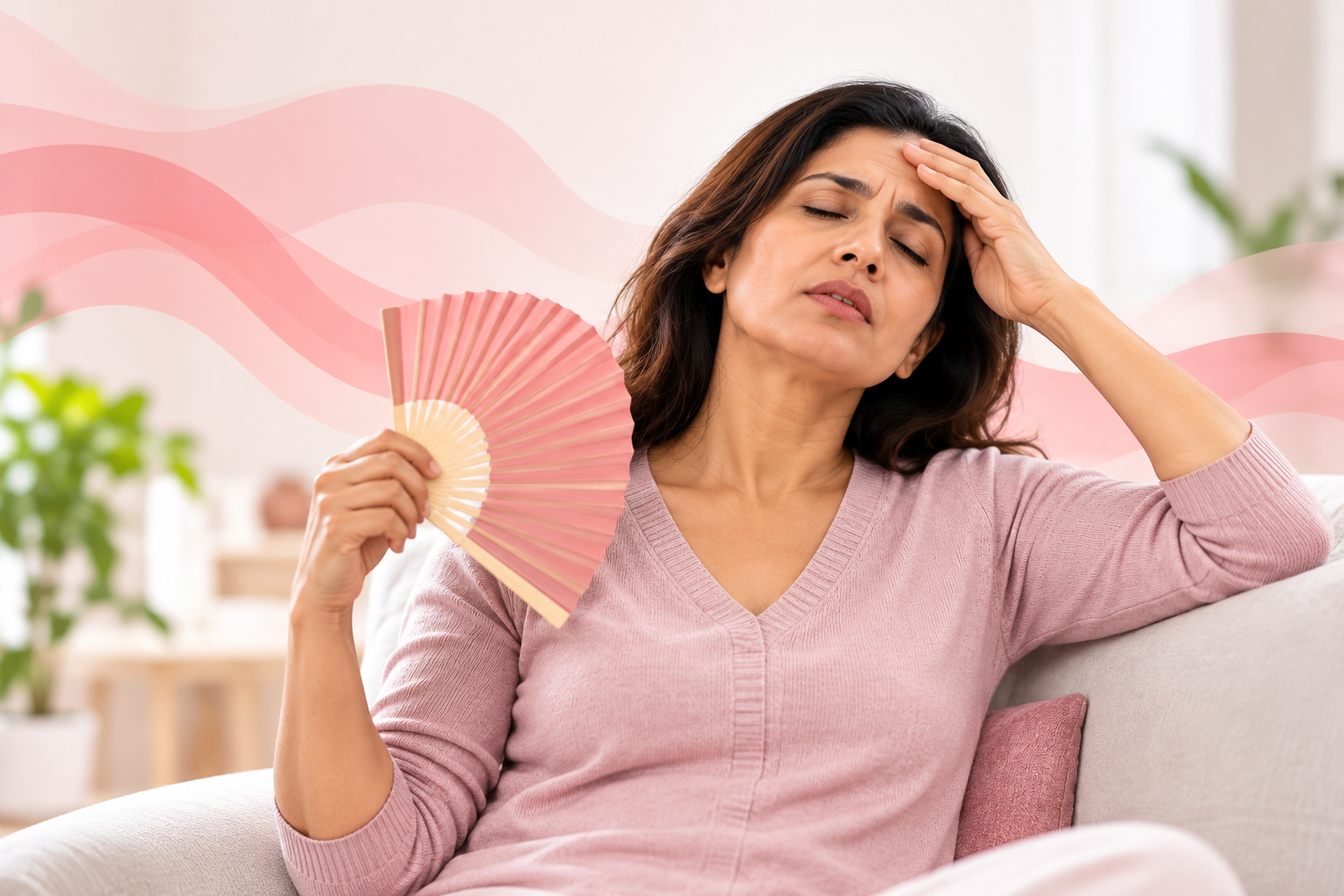
What Causes Menopause?
- Natural Aging : As women age, their bodies naturally decrease the production of reproductive hormones.
- Chemotherapy and Radiation Therapy : These cancer treatments can cause menopause, resulting in symptoms including hot flashes during or immediately after treatment.
- Hysterectomy : Removing only the uterus doesn’t cause immediate menopause, but removing both the uterus and ovaries does.
- Primary Ovarian Insufficiency : About 1% of women experience premature menopause before 40, often due to unknown causes, genetics, or autoimmune diseases.
Complications of Menopause
While menopause is a natural process, it can lead to the following complications that require attention:
- Sexual Dysfunction : Lack of lubrication and the shrinkage of the vaginal walls result in pain during sexual intercourse and, thus, reduced libido.
- Osteoporosis : It is stated that a reduction in estrogen levels can cause loss of bone mineral density. Therefore, it has a negative impact on fracture risk.
- Weight Gain : Fluctuations in hormones may cause the person to gain weight. This fat may further accumulate around the belly and pose the threat of health issues.
- Cardiovascular Disease : Side effects include decreased estrogen levels and increased risk of diseases like heart disease after menopause.
- Urinary Incontinence : Loosening tissue elasticity in the vagina and urethra can cause frequent, urgent, and uncontrollable urination.

Why Choose Our Clinic for Menopause?
Selecting the best clinic for menopause treatment in Chennai is important as it entails a change in this phase of life. Parampara Fertility—the best clinic stands out for these reasons:
- State-of-the-Art Facilities : We have put in place the latest technology as far as the diagnosis and treatment of patients are concerned.
- Experienced Specialists : Our team of the best doctors for menopause treatment in Chennai has ample experience in handling various menopause conditions.
- Compassionate Care : Our clinic ensures you feel physically and emotionally comfortable while discussing your symptoms and concerns.
- Personalized Care : We recognize menopause varies for each woman and provide customized care plans by discussing your issues with you.
- Holistic Approach : We provide menopause treatment covering physical, psychological, and social aspects, including hormone therapies, surgeries, and counseling.
While searching for menopause treatment in Chennai, our clinic provides you with professional help that will make this period of life easy and comfortable.
How is Menopause Diagnosed?
Usually, menopause is diagnosed first from the symptoms, especially if the woman is at the age of 45 to 55 years and has not had a menstruation period for one year. However, in some cases, further tests may be necessary:
- Lipid Profile : This test indicates the cholesterol levels that rise after menopause and that lead to heart disease.
- Bone Density Test : This is a part of a routine check-up to evaluate the probability of developing osteoporosis, especially in women of menopausal age.
- Thyroid Function Tests : Eliminate thyroid disorders because the symptoms mentioned above may also be a result of hypothyroidism or hyperthyroidism.
- Blood Tests : These tests measure FSH and estradiol levels. Abnormal levels, such as high FSH and low estrogen, indicate menopause.
Ways to Manage Menopause
Menopause treatment focuses on relieving symptoms and improving quality of life during this natural stage of life. Common treatment options include:
- Hormone Replacement Therapy (HRT): Helps relieve symptoms such as hot flashes, night sweats, and vaginal dryness. Suitability depends on individual health history and medical advice.
- Low-Dose Antidepressants: Certain medications may help manage mood changes and can reduce hot flashes in some women.
- Lifestyle Changes: Regular exercise, a balanced diet, adequate sleep, and stress management can help support overall well-being during menopause.
- Vaginal Estrogen Therapy: Helps relieve vaginal dryness, discomfort during intimacy, and certain urinary symptoms associated with menopause.
- Non-Hormonal Treatments: Other prescription medications and therapies may help manage specific symptoms when hormone therapy is unsuitable.
Consult a qualified healthcare professional to determine the most appropriate treatment based on your symptoms and medical history.
Personalised Care Starts with a Conversation for reliable nursing
Central Office:
Contact
+91 91766 44050
Schedule a Free Effective
Consultation

Frequently asked questions
What are the first signs of menopause?
The first signs of menopause often include:
- Irregular periods or changes in menstrual cycle
- Hot flashes or night sweats
- Vaginal dryness or discomfort
- Mood swings or irritability
- Sleep disturbances or insomnia
- Decreased libido or sexual discomfort
These symptoms vary from person to person and can signal the onset of menopause.
Is it normal to have menopause at 40?
Yes, it is possible to experience menopause at 40, though it's considered early. This condition is known as premature menopause and affects about 1% of women. Factors such as genetics, autoimmune diseases, or certain medical treatments can contribute to early menopause.
What to eat in perimenopause?
In perimenopause, eat a balanced diet with:
- Fruits and Vegetables : Rich in nutrients and antioxidants.
- Whole Grains : For fiber and digestion.
- Lean Proteins : Like chicken, fish, and legumes.
- Healthy Fats : Such as avocados, nuts, and olive oil.
- Calcium-Rich Foods : For bone health.
- Phytoestrogens : Found in soy and flaxseeds.
Stay hydrated, and limit caffeine, alcohol, and processed foods.
Is lower back pain a symptom of menopause?
Lower back pain can be a symptom of menopause, though it's not as commonly highlighted as hot flashes or mood swings. Hormonal changes during menopause can lead to decreased bone density and muscle elasticity, which might contribute to back pain. Additionally, weight gain and changes in posture during this time can also affect the back.