

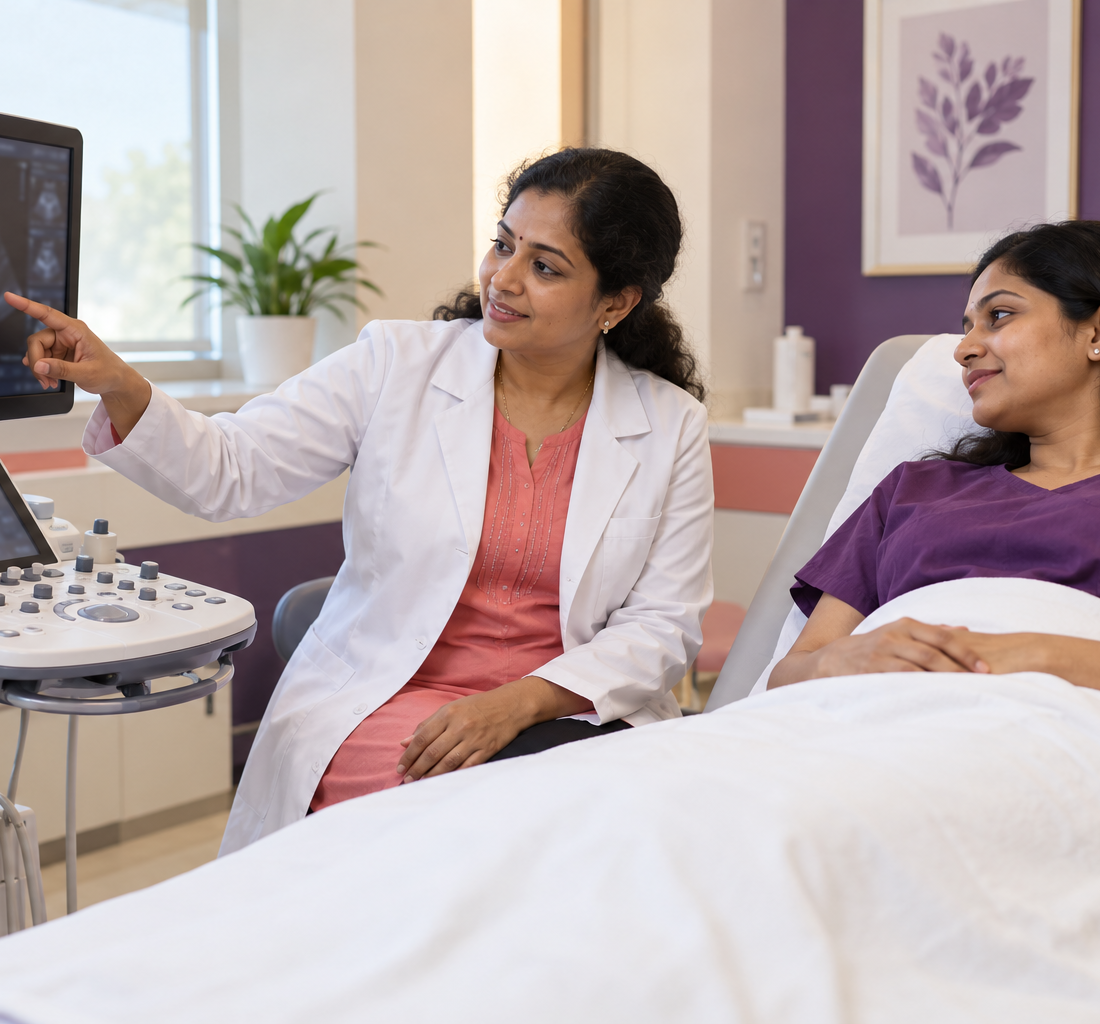
What is Fertility
Fertility is the ability to conceive naturally, involving ovulation, fertilization, and a conducive reproductive environment for both men and women. Fertility treatment encompasses medical procedures and interventions aimed at helping individuals or couples conceive. These treatments range from medication to assist ovulation to advanced procedures like in vitro fertilization (IVF). Fertility treatments are designed to address specific issues that may be preventing natural conception.
Factors Affecting Fertility
Several factors can influence fertility. Age is important, as fertility typically declines with age. Lifestyle choices like diet, exercise, and weight also play a role; eating well, exercising moderately, and maintaining a healthy weight support reproductive health. Medical conditions, such as hormonal imbalances and chronic illnesses, can impact fertility. Environmental factors, such as exposure to toxins and genetics, also matter. Reproductive health issues like blocked fallopian tubes or low sperm count, can affect fertility. Additionally, medications and treatments, stress, and sexual health can all influence your ability to conceive. Addressing these factors can help improve fertility and reproductive health.

Fertility Care, Planned Around You
Explore fertility treatment and preservation options at Parampara Fertility and Gynaec Centre. Receive personalised guidance and compassionate support as you plan your next step.
IVF Treatment
Eggs are fertilised with sperm in the laboratory. A resulting embryo may then be transferred to the uterus as part of your personalised care plan.
IUI Treatment
Prepared sperm is placed into the uterus around ovulation. Your specialist assesses whether IUI is appropriate for your fertility needs.
ICSI Treatment
A single sperm is injected into an egg to assist fertilisation. This may be considered for certain sperm-related concerns or fertilisation difficulties.
IVM Treatment
Immature eggs are collected and matured in the laboratory before fertilisation. Suitability is assessed individually by your specialist.
Donor Eggs & Sperm
Donor-assisted treatment may be considered when clinically appropriate, with counselling, screening and guidance on informed consent.
Blastocyst Culture
Embryos are grown in the laboratory to the blastocyst stage. Their development is assessed to help guide embryo transfer planning.
Embryo Transfer
An embryo is placed into the uterus using a fine catheter, with transfer timing and follow-up tailored to your treatment cycle.
Sperm Freezing
Sperm is frozen and stored for possible future treatment, including before medical treatment that may affect fertility.
Egg Freezing
Eggs are collected, frozen and stored for possible future use, with guidance on the process, age-related factors and its limitations.
Embryo Freezing
Suitable embryos created during IVF or ICSI are frozen for a possible future transfer, with consent and specialist storage guidance.
Your specialist will explain suitable options after assessment. Fertility treatment and preservation do not guarantee pregnancy.

Who Needs Fertility Treatment?
Fertility treatment may be needed for various reasons, including:
- Couples trying to conceive for over a year, especially if either partner is over 35.
- Men with low sperm count or motility issues.
- Those with irregular menstrual cycles or medical conditions like PCOS.
- Individuals with unexplained infertility or multiple miscarriages.
- People with genetic issues or those exposed to fertility risk factors.
Why Choose Parampara Fertility Clinic for Your Fertility Treatments?

Personalised Care Starts with a Conversation for reliable nursing
Central Office:
Contact
+91 91766 44050
Schedule a Free Effective
Consultation

Have any question on your minds?
Frequently asked questions
Are fertility treatments covered by insurance?
Insurance coverage for fertility treatments varies widely depending on the insurance policy, region, and type of treatment. Some plans cover basic diagnostics and treatments, while others may not cover advanced procedures like IVF. It's crucial to check your specific insurance policy and consult with your provider to understand what is covered.
Does IVF guarantee pregnancy?
IVF treatments significantly increase the likelihood of pregnancy, but there is no guarantee of success. Success rates vary based on individual factors such as age, fertility health, and embryo quality. Despite advanced medical techniques, achieving pregnancy through IVF remains influenced by these variables, making outcomes uncertain for each individual or couple undergoing treatment.
How to choose a fertility clinic?
When choosing a fertility clinic, consider factors like specialized services, success rates, the expertise of the medical team, personalized treatment plans, cost transparency, insurance coverage, convenience, patient support services, and technological facilities. Researching reviews, visiting the clinic if possible, and evaluating their approach to care will help ensure you select a clinic that meets your specific fertility needs and provides the support you require throughout your journey.
How long do fertility treatments take?
Fertility treatments can range from a few weeks to several months, depending on the specific type of treatment and individual circumstances. The process includes consultations, diagnostic tests, ovarian stimulation (if needed), egg retrieval, fertilization, embryo development, and embryo transfer. Treatment timelines vary based on factors such as treatment complexity and individual fertility factors.