

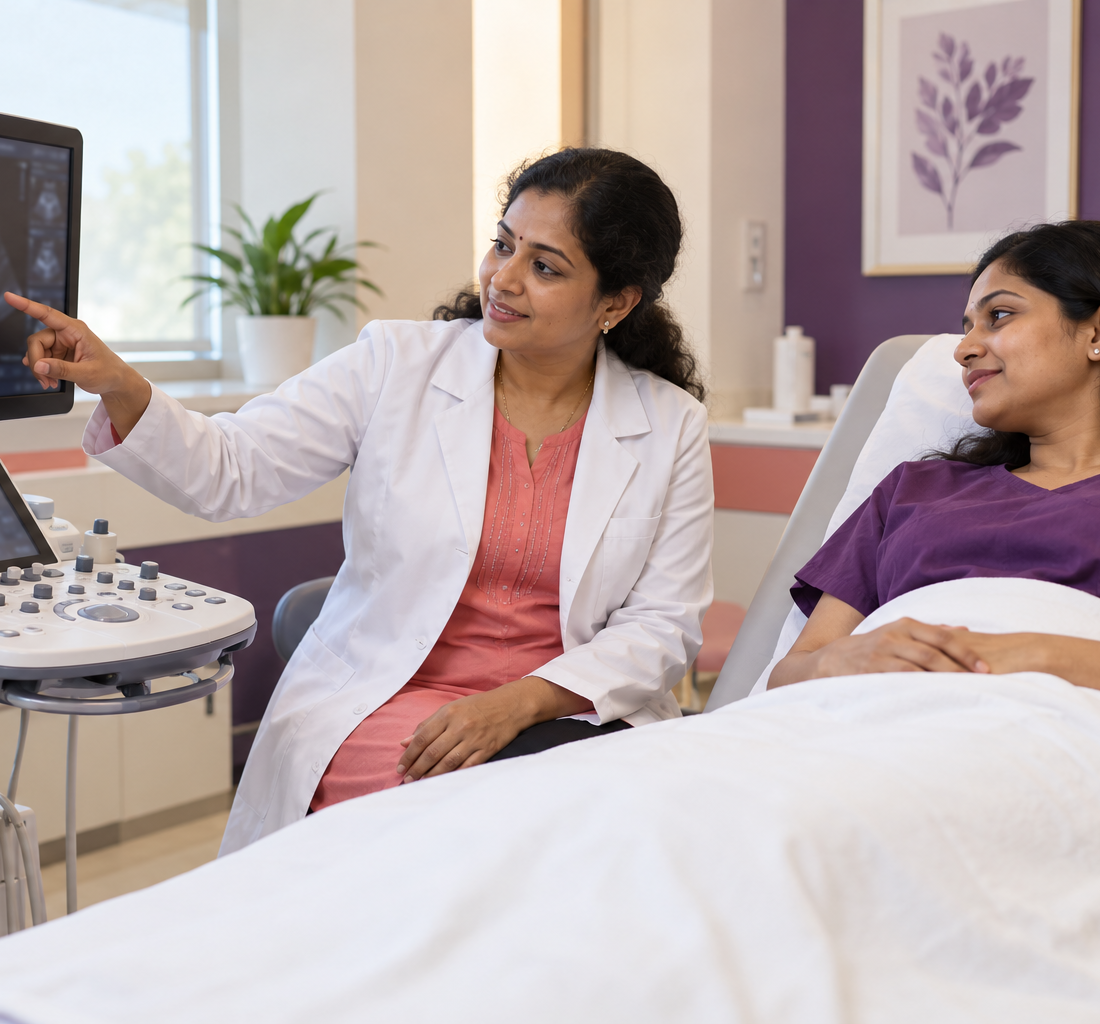
What is Pregnancy
Pregnancy is the process of carrying a developing fetus in the womb, typically lasting about 40 weeks. Pregnancy treatment includes medical and healthcare services throughout pregnancy, labor, delivery, and postpartum. This process encompasses prenatal care, regular checkups, monitoring maternal and fetal health, managing complications, preparing for labor, and supporting postpartum recovery to ensure a healthy pregnancy and safe delivery for both mother and baby.
Factors Affecting Fertility

Compassionate Care from Pregnancy to Birth
At Parampara Fertility and Gynaec Centre, we support your pregnancy journey with personalised care, clear guidance and attentive monitoring for you and your baby.
Prenatal Care
Regular antenatal check-ups, recommended screenings and growth monitoring help assess your health and your baby's development. Receive guidance on nutrition, wellbeing and preparing for birth.
Induction of Labour
When clinically recommended, labour may be started using medicines or other methods. Your doctor will explain the reasons, available options, benefits and risks before planning your care.
Labour & Delivery Care
Attentive care during childbirth includes monitoring labour progress and your baby's wellbeing. Receive support with pain-relief choices and delivery decisions as your needs change.
Pregnancy Complications
Pregnancy complications can arise at any stage and may affect the health of the mother, baby, or both. Common complications include gestational diabetes, where high blood sugar levels develop during pregnancy, and preeclampsia, characterized by high blood pressure and potential organ damage. Other issues like preterm labor, where labor begins before 37 weeks of pregnancy, and placenta previa, where the placenta covers the cervix, can also occur. Expectant mothers must have regular prenatal check-ups to monitor for these and other complications. Early detection and management are vital in ensuring the health and safety of both the mother and baby.
Why Choose Our Clinic for Pregnancy Care?

Personalised Care Starts with a Conversation for reliable nursing
Central Office:
Contact
+91 91766 44050
Schedule a Free Effective
Consultation

Have any question on your minds?
Frequently asked questions
What should you expect in week 5 of pregnancy?
- Early Symptoms: Fatigue, tender breasts, nausea, frequent urination.
- Hormonal Changes: Increased hCG, estrogen, and progesterone.
- Embryo Development: The embryo is sesame seed-sized, heart-forming.
- Positive Test: Home pregnancy tests are likely optimistic.
- Prenatal Visit: Schedule the first prenatal appointment.
- Lifestyle: Start prenatal vitamins, avoid alcohol, and eat a balanced diet.
How many days is the maximum time to confirm pregnancy after a missed period?
Pregnancy can typically be confirmed within 7 to 10 days after a missed period using a home pregnancy test. For more accurate results, a blood test conducted by a healthcare provider can confirm pregnancy even earlier, usually within 6 to 8 days after ovulation.
How late can a heartbeat start in pregnancy?
The fetal heartbeat can usually be detected by transvaginal ultrasound as early as 5 to 6 weeks of gestation. However, in some cases, it might not be detectable until around 7 to 8 weeks. If the heartbeat isn't detected by this time, doctors may perform follow-up ultrasounds to monitor the pregnancy's progress.
What are the signs of a healthy pregnancy?
Signs of a healthy pregnancy include:
- Regular fetal movement.
- Consistent and appropriate growth of the baby.
- Steady weight gain within recommended guidelines.
- Stable blood pressure.
- Absence of severe symptoms like heavy bleeding or persistent severe headaches.
- Positive results from ultrasounds and other prenatal tests.
- Maintaining good energy levels and overall well-being.
- Expected results from blood and urine tests show no infections.